

Discover Italy’s top 5 cities, best walking destinations, and most beautiful regions. Complete guide to Rome, Florence, Venice, and hidden Italian gems.
Italy captivates millions of travelers each year with its unparalleled blend of history, art, cuisine, and natural beauty. From ancient Roman ruins to Renaissance masterpieces, from coastal villages to alpine retreats, Italy offers destinations that cater to every type of traveler. Whether you’re planning your first visit or returning to explore more of this enchanting country, understanding which cities deserve a spot on your itinerary is essential for creating an unforgettable Italian adventure.
What Are the Top 5 Cities in Italy?
Italy’s most celebrated cities each offer distinct experiences that showcase different facets of Italian culture and history.
Rome stands as Italy’s eternal capital, where ancient history comes alive at every corner. The Colosseum, Roman Forum, and Pantheon transport visitors back two millennia, while Vatican City houses some of the world’s most treasured art, including Michelangelo’s Sistine Chapel ceiling. Beyond the monuments, Rome’s vibrant neighborhoods like Trastevere offer authentic trattorias and lively piazzas where locals gather.
Florence serves as the cradle of the Renaissance, where artistic genius flourished under the Medici family’s patronage. The Uffizi Gallery contains masterworks by Botticelli, Leonardo da Vinci, and Michelangelo, while the iconic Duomo dominates the skyline with Brunelleschi’s revolutionary dome. Wandering through Florence feels like stepping into an open-air museum, with architectural treasures lining every street.
Venice provides an utterly unique experience as a city built entirely on water. Gondolas glide through narrow canals flanked by Gothic and Renaissance palaces, while St. Mark’s Basilica dazzles with its Byzantine mosaics. Though tourism has impacted Venice significantly, early morning walks through quiet neighborhoods reveal the city’s enduring magic and the daily life of Venetians navigating their extraordinary home.
Milan represents Italy’s modern, cosmopolitan side as the country’s fashion and financial capital. The stunning Gothic Duomo cathedral contrasts with sleek designer boutiques along Via Montenapoleone. Art lovers flock to see Leonardo da Vinci’s “The Last Supper,” while opera enthusiasts revere La Scala as one of the world’s premier opera houses. Milan proves that Italy seamlessly blends centuries-old traditions with cutting-edge contemporary culture.
Naples offers raw, authentic Italian energy with its chaotic streets, passionate residents, and extraordinary cuisine. As the birthplace of pizza, Naples serves the world’s best Margherita and Marinara pies in simple pizzerias throughout the city. The nearby archaeological sites of Pompeii and Herculaneum provide haunting glimpses into Roman life frozen by Mount Vesuvius’s eruption in 79 AD.
Where Is the Nicest Part of Italy to Visit?
Determining Italy’s “nicest” part depends entirely on what type of experience speaks to your travel soul, as different regions excel in different aspects.
The Amalfi Coast consistently ranks among the world’s most stunning coastal destinations. Dramatic cliffs plunge into azure Mediterranean waters, while colorful villages like Positano cascade down hillsides in a tumble of pastel buildings, bougainvillea, and lemon groves. The winding coastal road between Sorrento and Salerno offers breathtaking vistas at every turn, though the narrow, hairpin curves aren’t for nervous drivers. Visitors can explore charming Ravello’s gardens, lounge on Amalfi’s beaches, or take boat trips to hidden coves.
Tuscany embodies the romantic Italian countryside that features in countless films and photographs. Rolling hills covered in vineyards and olive groves, cypress-lined roads, and medieval hilltop towns create landscapes that seem almost too perfect to be real. The Chianti region produces world-class wines alongside exceptional olive oil, while towns like Siena, San Gimignano, and Montepulciano preserve medieval architecture and traditions. Agriturismo farmstays allow visitors to experience rural Italian life while enjoying farm-to-table cuisine.
The Italian Lakes region in the north offers Alpine beauty combined with Mediterranean climate and Italian elegance. Lake Como attracts celebrities and romantics to its villa-dotted shores and elegant towns like Bellagio and Varenna. Lake Garda provides outdoor activities from windsurfing to mountain hiking, while Lake Maggiore enchants visitors with the ornate palaces of the Borromean Islands. The lakes region serves as an ideal escape from summer heat while providing stunning mountain backdrops.
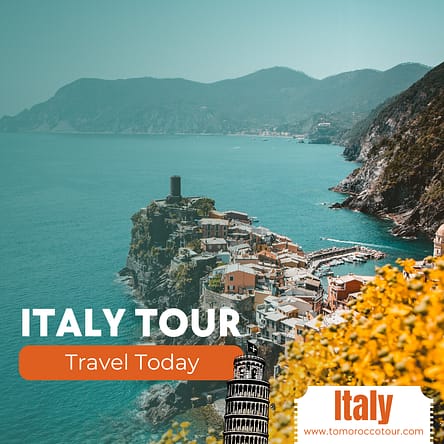
Cinque Terre comprises five cliff-clinging fishing villages connected by dramatic coastal hiking trails. Colorful houses stack vertically above tiny harbors, where fishing boats still bring in daily catches. Though overtourism has strained these small communities, visiting during shoulder season reveals why Cinque Terre earned UNESCO World Heritage status. The terraced vineyards producing the local white wine demonstrate centuries of human perseverance in this challenging terrain.
For those seeking Sicily, Italy’s largest island delivers an intoxicating mix of Greek temples, Arab influences, Baroque cities, and Mount Etna’s volcanic landscapes. Palermo’s street markets overflow with exotic produce reflecting Sicily’s multicultural history, while Taormina offers ancient Greek theater with Etna views. The island’s beaches, particularly around San Vito Lo Capo, rival any in the Mediterranean.
What Is the Top 3 Destination in Italy?
While Italy offers countless remarkable destinations, three consistently top travelers’ must-visit lists for their iconic status and comprehensive Italian experiences.
Rome deserves its position as Italy’s premier destination through its unmatched historical significance and concentration of world-famous landmarks. Visitors can explore three distinct layers of history: ancient Rome with the Colosseum and Forum, papal Rome with the Vatican Museums and St. Peter’s Basilica, and modern Rome with its fashionable neighborhoods and innovative restaurants. The city’s scale allows several days of exploration without exhausting its offerings. First-time visitors should allocate at least four days to cover the major sites while leaving time to simply wander and absorb the atmosphere. The combination of heavyweight attractions and excellent food scene, from hole-in-the-wall pizzerias to Michelin-starred establishments, makes Rome a complete destination.
Florence provides the most concentrated Renaissance art experience on Earth within a compact, walkable city center. Brunelleschi’s Dome, Michelangelo’s David, Botticelli’s Birth of Venus, and countless other masterpieces reside within a few square kilometers. Beyond the museums, Florence itself functions as an artwork with its medieval bridges, Renaissance palaces, and beautiful piazzas. The city’s manageable size allows visitors to see major highlights in two to three days while still having time for gelato breaks and leisurely dinners. Florence also serves as an ideal base for Tuscany day trips to Siena, Pisa, or the Chianti wine region.
Venice offers an experience unlike anywhere else on Earth, justifying its status as a top destination despite overtourism challenges. The absence of cars creates an atmosphere of otherworldly calm, where footsteps on stone bridges and water lapping against buildings provide the soundtrack. St. Mark’s Square and Basilica showcase Byzantine splendor, while the Doge’s Palace reveals the Venetian Republic’s power and wealth. Getting lost in the labyrinthine alleyways away from main tourist routes reveals unexpected churches, local bacari (wine bars), and glimpses of authentic Venetian life. The nearby islands of Murano and Burano offer different charms with their glass-making traditions and brightly painted houses respectively.
What Are the Best Cities to Walk Around in Italy?
Italy’s most walkable cities allow travelers to experience Italian life at a human pace, discovering hidden corners and spontaneous moments impossible from a tour bus.
Florence tops the list as perhaps Italy’s most perfectly walkable city. The compact historic center, largely pedestrianized, contains virtually all major attractions within a 30-minute walk of each other. The flat terrain (unusual for Italian hilltop cities) makes exploration effortless, while the Arno River provides orientation. Walking from the Duomo to the Ponte Vecchio, then across to the Pitti Palace and up to Piazzale Michelangelo for sunset panoramas creates an ideal Florence day entirely on foot. The city’s human scale, with narrow streets opening onto beautiful squares, rewards wanderers with architectural discoveries at every turn.
Lucca in Tuscany exemplifies the joy of walking in smaller Italian cities. The intact Renaissance walls surrounding the old town now serve as a elevated park where locals jog and cycle above the city. Within the walls, car-free streets wind past Romanesque churches, charming piazzas, and authentic shops catering to residents rather than tourists. Lucca’s relaxed atmosphere and manageable size make it perfect for travelers seeking Italian experiences without overwhelming crowds. The flat terrain contrasts with most Tuscan hilltowns, making exploration particularly pleasant.
Bologna deserves recognition as one of Italy’s most underrated walking cities. Famous for its 38 kilometers of porticoed walkways, Bologna allows residents and visitors to stroll under covered arcades regardless of weather. The city’s two leaning medieval towers anchor a historic center filled with red-brick buildings, student energy from Europe’s oldest university, and some of Italy’s best food markets. Walking tours naturally gravitate toward the food stalls of the Quadrilatero market district, where locals shop for Parmigiano-Reggiano, prosciutto, and fresh pasta.
Verona combines manageable size with remarkable density of attractions across its well-preserved Roman and medieval core. Shakespeare’s Juliet’s balcony draws crowds, but the real highlights include a spectacularly intact Roman arena hosting summer opera performances and beautiful piazzas surrounded by frescoed palaces. The Adige River curves around the city center, creating natural walking loops that take in both architectural monuments and lively cafe culture. Verona’s position between Venice and Lake Garda makes it an ideal stopover deserving of a night or two rather than a rushed day trip.

Siena offers one of Italy’s most beautiful medieval urban experiences, with its car-free historic center built around the shell-shaped Piazza del Campo. The sloping piazza serves as the city’s gathering place and hosts the famous Palio horse race twice yearly. Steep, narrow streets radiating from the campo climb the three hills on which Siena sits, opening onto smaller squares with neighborhood fountains and churches. The compact size allows visitors to see the entire historic center on foot in a few hours, though lingering over wine in the campo encourages longer stays.
Italy’s cities each offer distinct flavors of Italian culture, from Rome’s ancient grandeur to Venice’s watery romance, from Florence’s artistic heritage to Milan’s modern sophistication. The key to a successful Italian journey lies in choosing cities that match your interests while allowing enough time to truly experience each destination rather than merely checking boxes on a rushed itinerary. Whether you prefer art museums or coastal hikes, Renaissance palaces or Roman ruins, Italy’s remarkable cities ensure memorable experiences that will have you planning your return visit before you’ve even left.