
Master eating with braces! Complete guide to safe foods, what to avoid, meal planning, and expert tips to protect your orthodontic treatment and stay comfortable.
Getting braces is an exciting step toward achieving the smile you’ve always wanted. However, one of the most common concerns people have is how orthodontic treatment will affect their eating habits. Will you have to give up your favorite foods? Is pizza still on the menu? This comprehensive guide answers all your questions about maintaining a satisfying diet while protecting your investment in a beautiful smile.
Understanding Why Your Diet Matters with Braces
Orthodontic appliances are precision instruments designed to gradually shift your teeth into proper alignment. While they’re built to be durable, they contain delicate components that certain foods can damage or compromise. Each time a bracket breaks or a wire becomes loose, it can delay your treatment timeline and extend the duration of your orthodontic journey.
Beyond protecting your appliances, dietary awareness is crucial for maintaining oral health during treatment. Braces create additional spaces and surfaces in your mouth where food particles can become trapped. These hard-to-reach areas require extra attention to prevent cavities, gum inflammation, and other dental issues that could complicate your treatment.
Foods to Completely Avoid with Braces
To ensure successful treatment and prevent costly repairs, you’ll need to eliminate certain foods from your diet. These items fall into three main categories: hard, sticky, and difficult-to-bite foods that can damage brackets, dislodge wires, or create other complications.
Hard Foods That Risk Damage
Hard Candy – These pose a dual threat to both your braces and your teeth. The intense pressure required to break them down can snap brackets or bend wires.
Nuts – Whether whole almonds, peanuts, or cashews, their hard texture can cause immediate damage to orthodontic hardware.
Ice – Crunching on ice cubes is strictly off-limits, as this habit can break brackets and damage tooth enamel.
Raw Crunchy Vegetables and Fruits – Biting directly into carrots, apples, or celery can break brackets. These nutritious foods aren’t banned entirely, but they require preparation (more on this later).
Hard Pretzels and Chips – The crunchy texture of these snacks puts unnecessary stress on brackets and wires.
Crispy Pizza Crust – Extra-crispy or thick crusts can be problematic, especially when you bite directly into them.
Dense Bread Products – Hard bagels, crusty rolls, and similar items require too much biting force.
Sticky Foods That Cause Problems
Chewy Candy – Taffy, caramels, gummy bears, and similar treats adhere to braces and can pull brackets loose from teeth.
Chewing Gum – Even sugar-free varieties can stick to appliances and create cleaning nightmares.
Other Problematic Foods
Popcorn – Those small kernels are notorious for getting wedged in brackets and under wires, and unpopped kernels can break brackets.
Tough Meat Cuts – Large, chewy pieces of steak or similar meats can stress your orthodontic hardware.
Safe and Delicious Foods You Can Enjoy
The good news is that numerous delicious options remain available throughout your orthodontic treatment. These foods are gentle on your appliances while providing the nutrition your body needs.
Protein-Rich Options
Eggs – Scrambled, soft-boiled, or made into omelets, eggs are easy to chew and packed with protein.
Seafood – Fish varieties that flake easily are excellent choices. Salmon, tilapia, and cod are perfect examples.
Soft Cheeses – From cream cheese to brie, these calcium-rich options are both delicious and braces-friendly.
Tender Meats – Well-cooked chicken, meatballs, and other soft protein sources work well when cut into small pieces.
Grain-Based Foods
Oatmeal – This warm, comforting breakfast provides sustained energy and requires minimal chewing.
Pasta – Choose softer-cooked varieties in any shape you prefer. Mac and cheese, spaghetti, and similar dishes are all safe options.
Soft Bread – While hard crusts are problematic, soft sandwich bread and dinner rolls are perfectly fine.
Pizza – You don’t have to give up this favorite! Just choose pizzas with softer crusts and cut them into manageable pieces.
Fruits and Vegetables
Bananas – Naturally soft and nutritious, bananas make an ideal snack.
Berries – Strawberries, blueberries, and raspberries are nutrient-dense and gentle on braces.
Cooked Vegetables – Steaming, boiling, or roasting vegetables makes them soft and safe. Think steamed broccoli, roasted squash, or sautéed spinach.
Mashed Potatoes – Creamy, filling, and utterly comfortable for sensitive teeth.
Dairy Products
Yogurt – Whether Greek, regular, or dairy-free alternatives, yogurt is versatile and gentle.
Pudding – A smooth, satisfying treat that’s completely safe.
Milk and Milkshakes – These provide calcium while being easy to consume.
Sweet Treats
Chocolate – Most chocolate varieties are soft enough to enjoy without risk, making it an ideal sweet treat.
Ice Cream – Not only delicious, but the cold temperature can help soothe sore teeth after adjustments.
Soft Cakes and Cookies – Moist varieties without hard nuts or crunchy additions are perfectly safe.
Soups and Liquids
Soups – From chicken noodle to creamy tomato, soups offer variety, comfort, and nutrition.
Smoothies – Blend your favorite fruits and vegetables for a nutritious meal or snack.
10 Expert Tips for Eating Comfortably with Braces
Adapting to life with braces doesn’t have to be difficult. Follow these practical strategies to make eating easier and more enjoyable throughout your treatment.
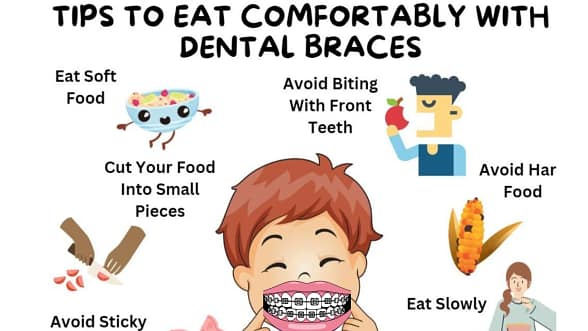
1. Cut Food into Small Pieces
Instead of biting directly into foods with your front teeth, cut everything into small, manageable pieces. This simple habit protects your brackets and reduces discomfort, especially during the initial adjustment period and after tightening appointments.
2. Embrace Soft Foods After Adjustments
Your teeth will likely feel sensitive for a few days following orthodontic adjustments. During these periods, focus on softer options like mashed potatoes, yogurt, smoothies, and soups. These foods require minimal chewing and put less pressure on tender teeth.
3. Avoid Sticky Situations
Sticky foods do more than just adhere to your braces; they can pull brackets away from teeth and bend wires. The effort required to clean sticky residue from your appliances isn’t worth the temporary enjoyment.
4. Practice Mindful Chewing
Slow down and chew your food gently and deliberately. Aggressive or rushed chewing increases the risk of dislodging brackets or distorting wires. Take your time with each bite, and use your back teeth (molars) for chewing whenever possible.
5. Modify Hard Foods Rather Than Eliminate Them
Many nutritious foods that are too hard to bite directly can be enjoyed with simple modifications. Cook raw vegetables until soft, slice apples into thin wedges, or grate hard cheese. These adjustments let you maintain a varied, healthy diet without risking damage.
6. Rinse After Every Meal
Make it a habit to swish water vigorously around your mouth after eating. This simple practice dislodges food particles trapped in and around your braces, preventing plaque buildup and reducing the risk of staining and decay.
7. Keep Cleaning Tools Handy
Invest in portable oral hygiene tools and keep them with you. A travel toothbrush, floss threaders, or a compact water flosser can be invaluable for cleaning your braces after meals when you’re away from home.
8. Stay Well Hydrated
Drinking water throughout the day serves multiple purposes. It keeps you hydrated, helps rinse away food debris, and neutralizes acidic residues that could harm your teeth. Make water your beverage of choice during and between meals.
9. Follow Professional Guidance
Your orthodontist will provide specific recommendations based on your unique treatment plan and appliance type. Their advice draws from years of training and experience, so following their guidelines carefully is essential for optimal results.
10. Plan Ahead for Social Situations
Before attending events where food will be served, eat a small snack or plan what you’ll choose. This preparation helps you avoid awkward moments and ensures you can participate comfortably in social eating situations.
Preparing Foods for Braces-Friendly Eating
With a few simple preparation techniques, you can continue enjoying many of your favorite foods throughout orthodontic treatment.
For Hard Fruits and Vegetables
- Apples: Slice into thin wedges or cut into small cubes rather than biting into whole apples
- Carrots: Steam until tender, grate for salads, or cut into small pieces and cook
- Corn: Cut kernels off the cob before eating
- Celery: Cut into small pieces and cook until soft, or use a food processor to mince
For Meat Products
- Cut all meats into small, bite-sized pieces before eating
- Choose tender cuts and cook thoroughly
- Remove meat from bones before eating (ribs, chicken wings, etc.)
- Opt for ground meat dishes like meatballs, meat sauce, or tacos
For Sandwiches and Similar Foods
- Remove hard crusts from bread
- Cut sandwiches into quarters for easier handling
- Choose soft fillings over crunchy options
- Warm sandwiches slightly to soften bread if needed
Nutritional Considerations During Orthodontic Treatment
Maintaining proper nutrition while wearing braces is entirely possible with thoughtful planning. Here’s how to ensure your body gets what it needs.
Getting Adequate Protein
Since some protein sources require modification, focus on eggs, fish, dairy products, soft beans and legumes, protein smoothies, and tender, well-cooked meats. These options provide the building blocks your body needs for healing and maintaining healthy tissues.
Ensuring Sufficient Calcium
Your teeth and bones need calcium throughout orthodontic treatment. Incorporate yogurt, milk, soft cheeses, calcium-fortified juices and cereals, and cooked leafy greens into your daily diet.
Consuming Fresh Produce
Fruits and vegetables remain essential, even with dietary restrictions. Enjoy berries, bananas, melons, cooked vegetables, fresh juices, and fruit smoothies to get your daily servings.
Managing Discomfort Through Food Choices
Orthodontic treatment can cause temporary discomfort, especially after adjustments. Strategic food choices can provide relief.
Cold Foods for Soothing Relief
Ice cream, frozen yogurt, cold smoothies, and popsicles can help numb sore areas and reduce inflammation. The cold temperature provides natural pain relief while you enjoy a treat.
Soft Foods for Tender Days
When your teeth feel particularly sensitive, stick to extremely soft options that require almost no chewing: applesauce, mashed potatoes, smoothie bowls, protein shakes, and creamy soups.
Eating Out with Braces
Dining at restaurants doesn’t have to be stressful when you know how to navigate menus with braces in mind.
Smart Restaurant Choices
- Opt for pasta dishes with soft noodles
- Choose fish or seafood entrees
- Select soups as appetizers or main courses
- Request that vegetables be cooked thoroughly
- Ask for sandwiches to be cut into quarters
- Choose pizza with softer crusts
What to Avoid When Dining Out
- Skip appetizers with hard chips or nuts
- Avoid dishes with whole corn on the cob
- Pass on tough, chewy steaks
- Skip desserts with hard nuts or candies
Long-Term Success: Developing Better Eating Habits
Many people find that dietary adjustments during orthodontic treatment lead to improved eating habits that last well beyond their time with braces.
Positive Changes You Might Notice
Slower, More Mindful Eating – The need to chew carefully often translates into better digestion and increased meal satisfaction.
Increased Vegetable Consumption – Cooking vegetables until tender makes them easier to eat, and many people continue enjoying cooked vegetables even after treatment ends.
Better Portion Control – Cutting food into smaller pieces naturally leads to more controlled portions and better awareness of how much you’re eating.
Healthier Snack Choices – Eliminating chips, hard candies, and similar snacks often leads to discovering nutritious alternatives like yogurt, fruit, and soft cheeses.
Handling Special Occasions and Holidays
Celebrations don’t have to be off-limits during orthodontic treatment. With planning and creativity, you can participate fully while protecting your appliances.
Holiday Meal Strategies
- Request soft side dishes be passed your way
- Cut all foods into small pieces before eating
- Choose moist desserts over hard or sticky options
- Bring a braces-friendly dish to share
- Don’t be shy about explaining your dietary needs
Birthday Party Solutions
- Opt for ice cream cake over traditional frosted cake
- Choose soft candy alternatives
- Skip popcorn at movie-themed parties
- Bring your own snacks if needed
Creating Your Personal Braces-Friendly Meal Plan
Developing a rotation of go-to meals makes daily eating easier and ensures proper nutrition.
Sample Breakfast Ideas
- Scrambled eggs with soft toast
- Oatmeal with banana slices and berries
- Yogurt parfait with soft granola
- Protein smoothie with fruit
- Pancakes or French toast (cut into small pieces)
Sample Lunch Options
- Soft tortilla wraps with tender chicken
- Macaroni and cheese
- Soup with soft bread
- Tuna or egg salad sandwich (crusts removed)
- Pasta salad with cooked vegetables
Sample Dinner Choices
- Baked fish with mashed potatoes and steamed vegetables
- Spaghetti with meat sauce
- Soft tacos with ground meat
- Chicken and rice casserole
- Vegetable stir-fry over soft noodles
Snack Suggestions
- String cheese
- Yogurt cups
- Soft fruit
- Pudding
- Smoothies
- Soft cookies
- Chocolate
The Bottom Line: Thriving with Braces
Adjusting your diet for orthodontic treatment requires some initial changes, but these modifications are temporary and manageable. You can still enjoy delicious, satisfying meals while protecting your investment in a beautiful smile.
Remember that every adjustment you make and every precaution you take brings you closer to your final result. The discipline you develop around eating with braces often leads to better overall nutrition and more mindful eating habits that benefit you long after your orthodontic journey ends.
By following the guidelines in this comprehensive guide, you’ll navigate your orthodontic treatment successfully while maintaining proper nutrition and enjoying your meals. The temporary dietary adjustments are a small price to pay for the confidence and health benefits of a properly aligned smile.
Your orthodontic treatment is an investment in yourself. Protecting that investment through smart food choices ensures you’ll achieve optimal results in the shortest time possible. Embrace this journey, adapt your eating habits, and look forward to the day when you can flash your new smile with pride—and bite into a crispy apple without a second thought.
Key Takeaways:
- Avoid hard, sticky, and difficult-to-bite foods to protect your orthodontic appliances
- Numerous delicious, nutritious foods remain safe throughout treatment
- Simple food preparation techniques let you enjoy many favorites with minor modifications
- Temporary dietary changes often lead to lasting improvements in eating habits
- Proper nutrition and appliance protection ensure optimal treatment results