

Planning a Europe trip? Discover the top 7 things to pack for Europe trip and travel stress-free. Save space, stay prepared, and never forget the essentials again!
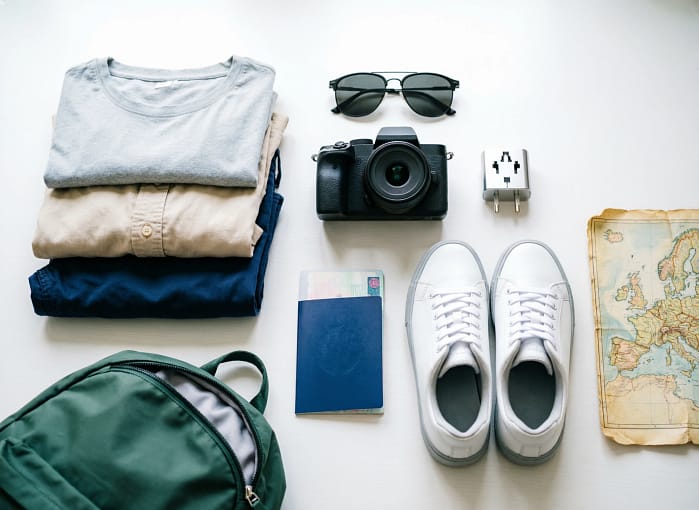
Planning your first or fifth European adventure? Knowing what to pack for a Europe trip can make or break your experience. Pack too much and you’ll be dragging a heavy suitcase up cobblestone streets. Pack too little and you’ll be scrambling for essentials in an unfamiliar city.
How to Choose the Right Luggage for Europe
Before diving into what to pack, let’s talk about how to pack.
Carry-on vs. checked bag: If you’re hopping between multiple countries especially using budget airlines like Ryanair or EasyJet a carry-on is strongly recommended. Checked bag fees can add up fast, and carry-ons are easier to manage on trains, metros, and cobblestone streets.
Best luggage options for Europe:
- A 40L … 55 L carry-on backpack or rolling suitcase
- A small daypack (20 … 25 L) for daily sightseeing
- A crossbody or anti-theft bag for valuables
The golden rule: if you can’t carry it comfortably for 10 minutes, it’s too heavy.
What to Pack for a Europe Trip: Complete Packing List
1. Clothing
Europe is generally more fashion-forward than other destinations, so dressing smart will help you blend in and feel confident.
Tops (5 … 7 pieces):
- 2 … 3 neutral t-shirts or blouses
- 1 … 2 long-sleeve shirts or lightweight layers
- 1 dressier top for evenings out
- 1 lightweight sweater or cardigan
Bottoms (3 … 4 pieces):
- 1 … 2 pairs of versatile pants (jeans or chinos)
- 1 pair of shorts (for summer travel)
- 1 skirt or dress (optional, but great for warm weather)
Outerwear:
- 1 lightweight, packable rain jacket Europe’s weather is unpredictable year-round
- 1 warm layer (fleece or down jacket) if traveling in shoulder seasons or winter
Footwear:
- 1 pair of comfortable walking shoes (you’ll walk 10 … 15 miles/day in cities)
- 1 pair of sandals or casual shoes for evenings
- 1 pair of flip-flops (for hostel showers if applicable)
Pro tip: Pack clothes in neutral colors that mix and match easily. This multiplies your outfit options without adding weight.
2. Toiletries and Personal Care
Must-have toiletries:
- Toothbrush and toothpaste (travel size)
- Shampoo and conditioner (solid bars save space and TSA hassle)
- Body wash or soap
- Deodorant
- Face wash and moisturizer with SPF
- Razor
- Feminine hygiene products (if needed)
- Nail clippers and tweezers
- Travel-size hand sanitizer
Medications and health items:
- Prescription medications (with copies of prescriptions)
- Pain relievers (ibuprofen or paracetamol)
- Antihistamines
- Motion sickness tablets (especially if doing boat or bus tours)
- Blister bandages a lifesaver after long walking days
- Any personal vitamins or supplements
Note: Most toiletries are widely available across Europe, so don’t overpack. You can buy most things at local pharmacies (called “Farmacia,” “Apotheke,” or “Pharmacie” depending on the country).
3. Electronics and Gadgets
Essential electronics:
- Smartphone and charger
- Universal power adapter (Europe uses Type C, E, F, G outlets depending on the country)
- Portable power bank (10,000 … 20,000 mAh recommended)
- Earbuds or headphones
- Camera (optional, but great for memories)
- E-reader or tablet (for flights and downtime)
Helpful extras:
- Lightweight laptop if you work remotely or need it
- USB multi-port charging hub
- Memory cards for camera
Important: The US uses 110V and Europe uses 220 … 240V. Make sure your devices are dual-voltage, or use a voltage converter.
4. Travel Documents and Money
This category is non-negotiable. Losing your documents in a foreign country is a nightmare.
What to bring:
- Passport (valid for at least 6 months beyond your travel dates)
- Visa documents if required (check requirements for each country)
- Travel insurance confirmation
- Printed hotel/hostel reservations
- Flight confirmations
- International driver’s license (if planning to rent a car)
- Emergency contact list
Money matters:
- Notify your bank before traveling
- Bring a credit card with no foreign transaction fees (Charles Schwab, Wise, or Capital One travel cards are popular choices)
- Carry some local cash (euros are accepted in most of Western Europe, but Eastern Europe and the UK have their own currencies)
- A backup card kept separately from your primary wallet
Safety tip: Store digital copies of all important documents in a secure cloud folder or email them to yourself.
5. Day-Trip Essentials
Once you’re exploring, these items will keep your days running smoothly.
- Reusable water bottle (many European cities have free public drinking fountains)
- Compact umbrella or packable rain poncho
- Sunscreen and lip balm
- Sunglasses
- Small first aid kit
- Tote bag for shopping and beach days
- Snacks for travel days (granola bars, nuts)
- Travel guidebook or downloaded offline maps (Google Maps works well offline)
6. Comfort Items for Long Flights and Train Rides
Europe is a long haul from North America, Asia, or Australia. Make the journey comfortable.
- Neck pillow (inflatable ones save space)
- Sleep mask
- Noise-canceling headphones
- Compression socks (reduces swelling and DVT risk on long flights)
- Blanket scarf (doubles as a layer and travel blanket)
7. Security and Safety Items
Petty theft, particularly pickpocketing, is common in tourist-heavy areas of Europe.
- Anti-theft backpack or bag with hidden zippers
- RFID-blocking wallet or passport holder
- Money belt for extra security
- Small luggage locks
- Doorstop alarm (for solo travelers staying in hostels or budget hotels)
What NOT to Pack for Europe
Knowing what to leave behind is just as important as knowing what to bring.
- Excessive jewelry wear simple pieces to avoid attracting attention
- Full-size toiletries buy travel sizes or solid alternatives
- Too many “just in case” outfits stick to versatile pieces
- A hair dryer most hotels provide one; if not, a travel-size one is sufficient
- Guidebooks for every country use apps like Google Maps, TripAdvisor, or Rick Steves’ free audio guides instead
- More than 2 pairs of shoes shoes are heavy; choose wisely
Europe Packing List by Season
Summer (June … August)
Focus on lightweight, breathable fabrics. Pack sunscreen, sunglasses, and sandals. Evenings can still be cool, especially in Northern Europe, so bring a light layer.
Spring and Fall (March … May, September … November)
Layering is key. Pack a mix of short and long-sleeve clothing, a medium-weight jacket, and a reliable rain layer. Weather is unpredictable.
Winter (December … February)
Prioritize warmth without bulk. A quality down jacket, thermal underlayers, waterproof boots, gloves, a hat, and a scarf are must-haves. Pack fewer but warmer pieces.
Packing Tips to Save Space
- Roll your clothes instead of folding to save space and reduce wrinkles.
- Use packing cubes to keep your bag organized and compress clothing.
- Wear your bulkiest items on travel days (boots, jackets, jeans).
- Pack a lightweight laundry bag doing laundry mid-trip means packing less.
- Use the 1-2-3-4-5-6 rule: 1 hat, 2 pairs of shoes, 3 bottoms, 4 tops, 5 pairs of socks, 6 pairs of underwear.
Packing for a Europe trip doesn’t have to be stressful. Start with this list, customize it for your specific destinations and travel style, and remember: less is almost always more when it comes to European travel. When in doubt, leave it out. Europe has great shops if you realize you’ve forgotten something and buying a local item can even become a fun part of the adventure.
FAQ
Do I need a power adapter for Europe?
Yes. The US, Canada, and many other countries use different plug types and voltages than Europe. A universal travel adapter is essential.
Can I do laundry in Europe?
Absolutely. Most hotels offer laundry services, and laundromats (launderettes) are easy to find in any European city. This allows you to pack lighter.
Should I pack a money belt for Europe?
It’s not mandatory, but it’s a smart precaution especially in busy tourist areas like Rome, Barcelona, Paris, and Prague where pickpocketing is more common.
Is 2 weeks in Europe carry-on only possible?
Yes! With smart packing and doing one round of laundry mid-trip, two weeks in Europe with a carry-on is very doable and highly recommended.
Happy travels!
Have a packing tip that’s saved your travels? This list is meant to be your starting point tailor it to your unique trip and you’ll be perfectly prepared for any European adventure.